
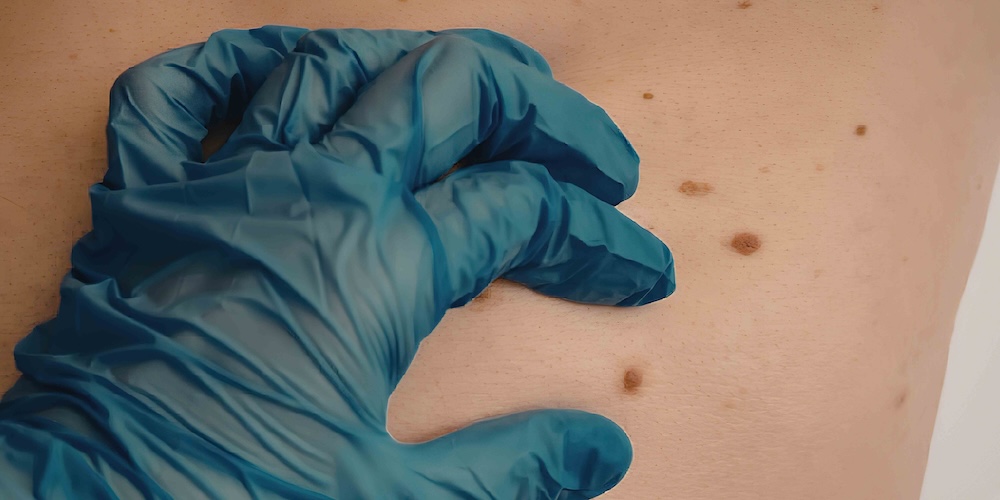
Not all moles mean skin cancer. These spots can change naturally and not be life-threatening, but there are some signs that should be promptly addressed.
Consultation with a dermatologist near McLean, Virginia for a mole that changed shape or color brings medical focus to the forefront when you have concerns.
Facts Everyone Should Know: Mole Definition and Appearance
A mole is a small cluster of pigment-producing cells that gathers within the skin and forms a visible spot that can range from flat to slightly raised.
These marks often appear in childhood or early adulthood and can vary widely in appearance depending on how the pigment cells are distributed.
Over time, normal mole changes can occur. Some may darken, lighten, grow a bit, or become less noticeable. These developments often happen gradually as the skin ages.
In many cases, this evolution does not indicate a serious problem.
Still, it is important to pay attention and, as soon as possible, see a dermatologist near McLean, Virginia for a mole that changed shape or color. This deserves a closer look to rule out serious conditions.
Warnings That Should Never Be Ignored: When to See a Dermatologist Near McLean, Virginia for a Mole That Changed Shape or Color
Shape and color are not the only issues that need evaluation. Here are other signs it’s time to get your mole checked:
- Itchiness or irritation that persists without an obvious cause
- Crusting, flaking, or repeated scabbing that returns after healing
- Bleeding with minimal or no contact
- Firm or tender feeling when touched
- Edges look/feel uneven
- Surrounding skin becomes inflamed, red, or warm
- Growth that occurs quickly over a short period of time
- Tingling or mild discomfort
- Healing that is slow after minor irritation or scratching
- Nearby lymph node feels enlarged or sensitive, even when no infection is present
Appointment for a Mole Evaluation: What to Expect
A dermatologist looks closely at the spot under good lighting, checking its surface, borders, and overall structure. A dermatoscope (handheld magnifying device) may be used to see patterns beneath the top layer that are not visible to the eye.
Questions about timing, such as when the mark first appeared and whether it has behaved differently compared to others on the body, are asked. Past sun exposure and personal / family history are also discussed.
If something seems uncertain, a small sample of the mole may be taken so a lab can examine the cells in detail. This helps separate harmless findings from those that require further attention.
Today Is the Day to Book With a Dermatologist Near McLean, Virginia for a Mole That Changed Shape or Color
Experience the best of medical dermatology care at the Office of Dr. Marjan Yousefi. Call us at 703-255-5070 to have your concerns promptly and properly addressed.