

Sunscreen labels pack a lot of information onto a small bottle. SPF numbers, water-resistance claims, and the phrase “broad-spectrum” all compete for attention, but not all of it changes your skin cancer risk equally. Broad-spectrum sunscreen coverage does the heavy lifting, and the science behind why is worth understanding before your next purchase. Here’s what broad-spectrum means, and what it…
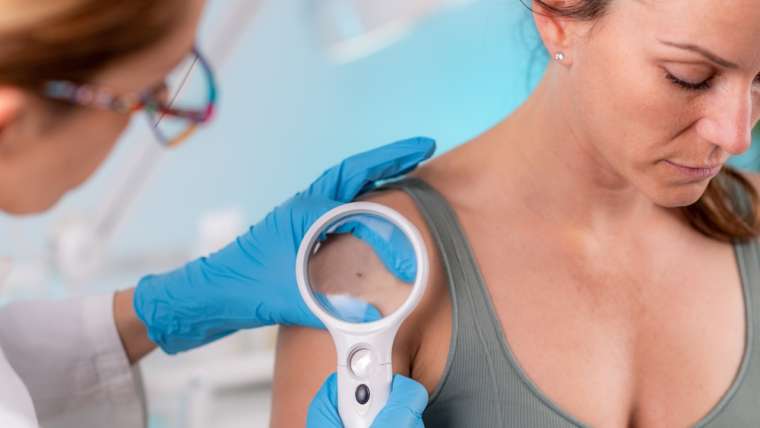
Getting through treatment for one skin cancer can feel like the hard part is over. For most people treated for a first skin cancer, the research tells a different story. The odds of skin cancer a second time run higher than most people expect, and that risk starts building almost immediately after the first diagnosis. Here’s why your risk changes…

A close relative’s skin cancer diagnosis changes how you think about your own risk. A family history of skin cancer should factor into your screening schedule. The amount your risk increases depends heavily on which type of skin cancer runs in your family. Here’s how genetics factor into your risk, and what that means for how often you get checked.…

A sunburn from summer camp fades within a week, but the DNA of skin cells keeps a longer record. That damage factors into skin cancer risk for years afterward. Parents who are diligent about applying sunscreen are protecting their kids from more than a temporary burn. They’re lowering their child’s risk for developing skin cancer decades later. Most people never…

Dermatologists weigh two different histories when they assess your skin cancer risk. One is your worst sunburn. The other is your lifetime sun exposure, or the total time your skin has spent under UV light. Here’s how clinicians separate the two, and what each one predicts. Both scenarios are addressed on a screening form, but they shape a different part…

Acne breakouts that keep showing up in the exact same spot are not random. Once one returns to your jawline, cheek, or forehead month after month, it usually calls for an acne treatment plan built around the cause. Recurring breakouts in one location typically trace back to a monthly hormonal shift or repeated contact with that spot. Knowing which one…

A big presentation, a first date, a wedding, or a beach trip you have been looking forward to all year, and eczema seems to know exactly when to show up, right along the neckline or in a spot no amount of makeup can hide. If you are asking, “why does my eczema always flare up at the worst possible time,”…
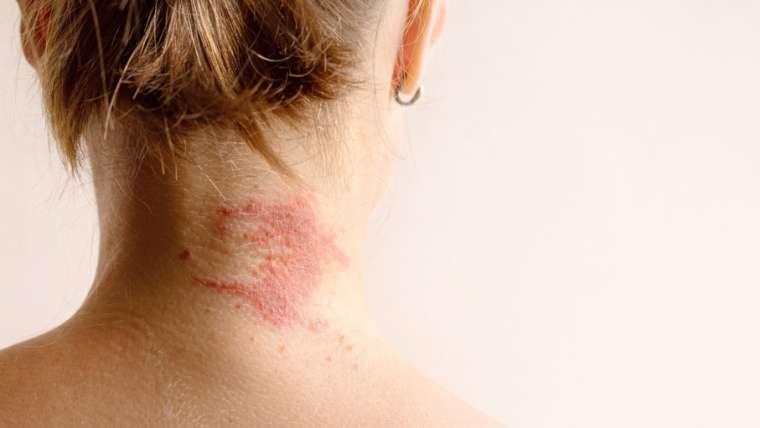
Going decades without any signs of eczema does not make you immune to it appearing out of nowhere. If you are asking, “why did I suddenly develop eczema as an adult,” there are a couple reasons why it may be happening. Eczema that appears for the first time later in life usually traces back to a specific and identifiable shift…

Breakouts that return well into your thirties or forties feel unfair, especially when you thought acne belonged to your teenage years. Many people wait until embarrassment and frustration build before finally asking why am I still getting acne as an adult? Adult skin responds to a different set of factors than teenage skin, and identifying yours is the fastest way…

Stubborn skin rashes do not come with a label telling you which specialist to call, and guessing wrong can mean weeks of treating the wrong problem, or at least another trip to a different doctor. Rashes tied to conditions like eczema or psoriasis usually point you toward a dermatologist, while a rash triggered by something you touched, ate, or inhaled…