
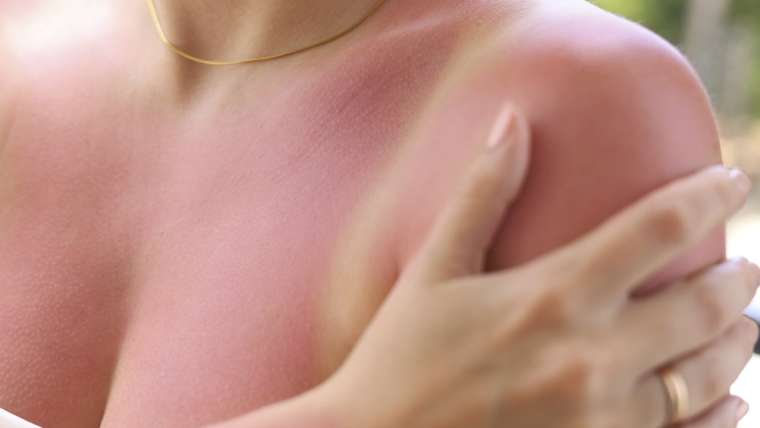
Some skin turns pink after twenty minutes outside, while other skin barely changes. That difference plays a role in your skin cancer risk. Fair skin that burns easily raises your odds of developing cancer, and the reason comes down to biology. Here’s what makes this skin type more vulnerable, and what you can do about it. Does Fair Skin That…

Most people think of skin cancer as a sun problem. It’s just as much an immune system problem. A weakened immune system raises your risk substantially, and for some cancer types the increase is dramatic. Here’s what the research shows, and who should be paying closer attention. Does a Weakened Immune System Actually Raise Your Skin Cancer Risk? For those…
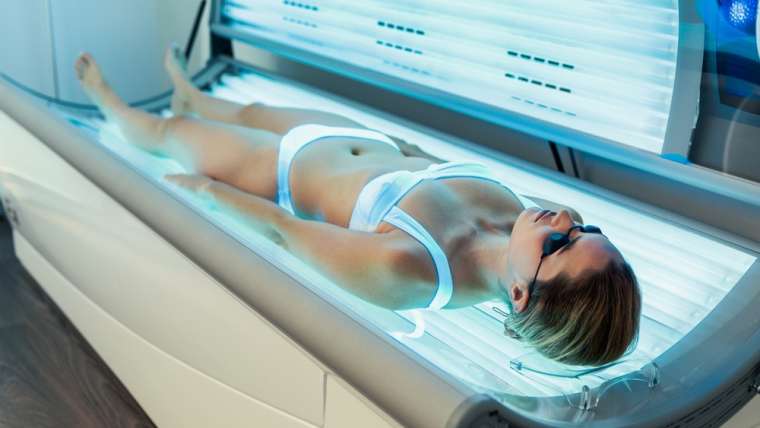
That tanning bed habit from your twenties might feel like a closed chapter, but the damage doesn’t close with it. Skin cancer linked to past tanning bed exposure can take years to develop. So, the short answer is yes. A history of tanning bed use raises your risk, and how often you tanned counts more than how long ago you…
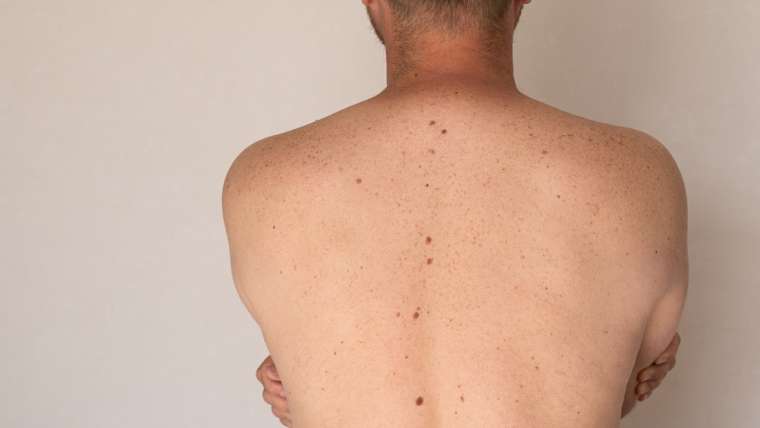
Most people have multiple moles scattered across their skin and don’t give them a second thought. A dermatologist reads them differently, watching for traits tied to skin cancer risk rather than counting spots. Multiple moles on their own rarely spell trouble, but certain patterns change that. Here’s what separates an ordinary mole from one worth a professional look. Why Count…
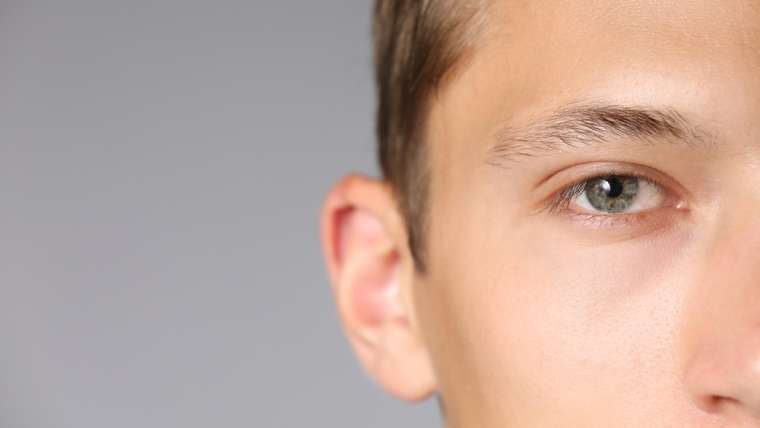
Eye color seems like a cosmetic detail, nothing more. Research on skin cancer risk says otherwise. Light eyes raise your odds of some skin cancers, though the size of that effect depends on which type. Here’s what the research found, and how eye color fits into a bigger risk picture. Are Light Eyes Actually a Skin Cancer Risk Factor? A…
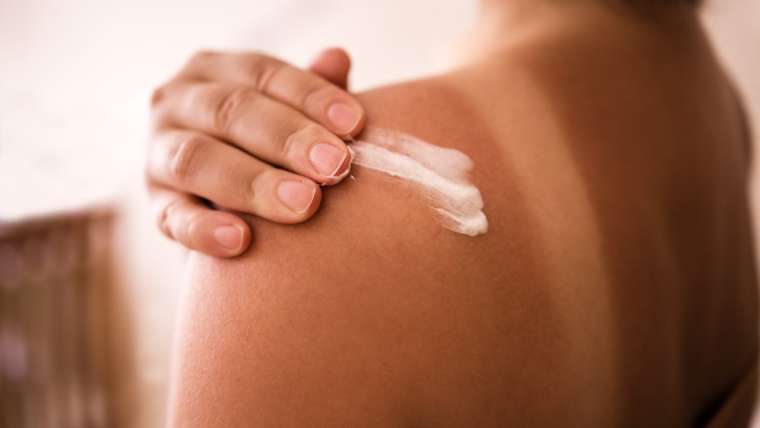
Sunscreen labels pack a lot of information onto a small bottle. SPF numbers, water-resistance claims, and the phrase “broad-spectrum” all compete for attention, but not all of it changes your skin cancer risk equally. Broad-spectrum sunscreen coverage does the heavy lifting, and the science behind why is worth understanding before your next purchase. Here’s what broad-spectrum means, and what it…
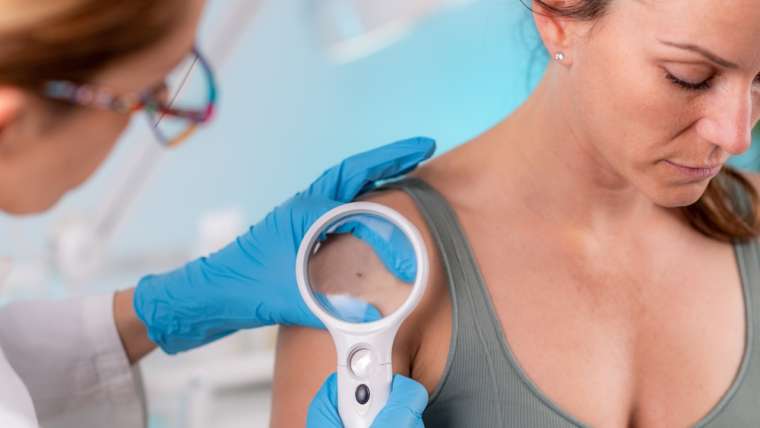
Getting through treatment for one skin cancer can feel like the hard part is over. For most people treated for a first skin cancer, the research tells a different story. The odds of skin cancer a second time run higher than most people expect, and that risk starts building almost immediately after the first diagnosis. Here’s why your risk changes…

A close relative’s skin cancer diagnosis changes how you think about your own risk. A family history of skin cancer should factor into your screening schedule. The amount your risk increases depends heavily on which type of skin cancer runs in your family. Here’s how genetics factor into your risk, and what that means for how often you get checked.…
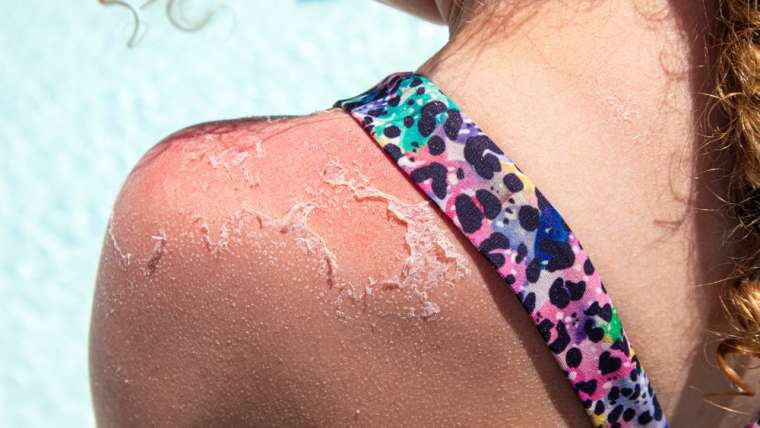
A sunburn from summer camp fades within a week, but the DNA of skin cells keeps a longer record. That damage factors into skin cancer risk for years afterward. Parents who are diligent about applying sunscreen are protecting their kids from more than a temporary burn. They’re lowering their child’s risk for developing skin cancer decades later. Most people never…

Dermatologists weigh two different histories when they assess your skin cancer risk. One is your worst sunburn. The other is your lifetime sun exposure, or the total time your skin has spent under UV light. Here’s how clinicians separate the two, and what each one predicts. Both scenarios are addressed on a screening form, but they shape a different part…